Now that we’ve established the significance of a website, you might find yourself pondering the next steps. Questions like “What should I include on my website?” and “How can I ensure it’s effective?” are likely swirling in your mind.
Today, let’s embark on a journey to uncover the key ingredients that can elevate your website from merely existing to thriving. We’ll explore five essential elements that not only enhance visibility but also attract valuable clients to your business.
5 Essentials for Every Website
A Compelling Homepage Headline: Your website’s first impressionmatters. You only have about 10 seconds to capture your ideal visitor’s attention. Use a shortandsweetheadline that resonates with them. Make it prominent, larger, and bolder than any other text on the page.
Strategic Copy & Design: Tailor your content and design to attract your target audience. Define five keywords that embody your brand and integrate them into your messaging and visuals. Consistency is key—ensure your brand voice shines through every communication channel.
Scannable Headlines for Engagement: Keep visitors engaged by making your content easy to digest. Avoid dense blocks of text and opt for scannable headlines. Left-aligned text is more reader-friendly than centered text. Break up paragraphs with icons and headings to highlight main points and maintain reader interest.
Offer Compelling Reasons to Explore Further: Treat your homepage as a highlight reel, not a hard sell. Showcase your value and provide visitors with enticing options to delve deeper into your site. Keep the focus on thevisitor’s needs rather than pushing your agenda.
End with an Irresistible Call to Action: Guide your visitors towards the next step with a compelling call to action. Understand that your audience may not be ready to commit immediately. Instead, ask questions that resonate with them and offer value without pressure. Overdeliver, spark curiosity, and provide them with a reason to take action.
By incorporating these five essential elements into your website, you’ll not only increase visibility but also attract valuable clients to your business. Stay tuned for more tips and insights on optimizing your online presence.
So, let’s seize the moment together. From crafting captivating headlines to igniting action with irresistible calls to action, let’s unlock the full potential of your website and set your business on a path to flourish. If you are starting from scratch with a new website or just a refresh to your current site, contact me today to see how we can work together to accomplish your goals!!
1 *Seemless Navigation*— Clear navigation helps visitors quickly find the information they need, ensuring a smooth user experience. Without it, users may feel lost and uncertain about how to navigate your page effectively.
2 *Content Structure* — The information on your site should be well organized and easy to digest. Visual hierarchy allows you to structure the content meaningfully and logically, so that the most important information receives the most emphasis and the leastimportant information receives the least emphasis.
3 *A reliable, transparent interface* — A website design should establish trust with its visitors. In order to create a credible online environment, the information on your site should be clear, consistent and accurate. It should also be free of errors or confusion and show attention to detail.
Last month, we discussed how important Google is in today’s world. When we use Google we are often searching the internet for details about a specific company that can help with our needs. Maybe you are looking for a mechanic to fix your car, a new place to get your nails done or a baker to make you a cake for that party you are having next month.
Having a website is crucial for getting your business noticed. How many times have you gone to the web to find a service professional? If you are a business in 2024, it is highly recommended that you have a website for your business. This way when someone is looking for your service or product they are able to find you!
Having a website as a business owner offers several benefits:
**Online Presence**: It gives your business a presence on the internet, making it easier for potential customers to find you.
**Credibility**: A professional website makes your business appear more credible and trustworthy.
**Marketing**: It’s a powerful marketing tool, allowing you to showcase your products or services to a wider audience.
**Accessibility**: Customers can find information about your business and make purchases at any time, day or night.
**Customer Convenience**: It provides convenience to your customers by allowing them to learn about your business and make purchases from the comfort of their own homes.
**Competitive Advantage**: Having a website puts you ahead of competitors who may not have an online presence.
By having a website for your business, you make it easier for people to discover you online and ultimately, become your customer. Your website is a digital storefront that helps you connect and grow your business.
If you are starting from scratch and need a website or even just a refresh to your current site, stay tuned for new services with HAS Solutions coming soon!
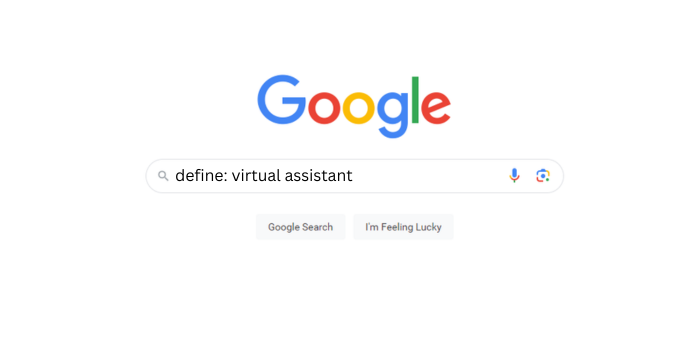
1 Type “define:” then any word to find the definition. Example: define: virtual assistant
2 Flight tracking: Type airline and flight number to check the schedule. Example: SWA123
3 Unit conversion: Type 1 ml to cup to find the conversion. You can also use the colon : instead of words. Example: “12 in:ft” >>> results will show 1 ft.
4 Using “quotes” around phrases allows searching for a specific phrase – exact match search. Example: “virtual assistant”
In today’s digital age, a website serves as the virtual storefront for so many businesses. In some cases it is your customer or clientele’s first impression of your business, making it crucial to maintain its performance and functionality.
As a virtual assistant, I understand the importance of optimizing your online presence. One powerful tool in my arsenal? Regular website audits. Some website issues are very easy to fix but are missed, due to so many demands on an entrepreneur’s schedule. This would be a great task to delegate to a virtual assistant.
Three Reasons why Website Audits are Essential for Every Business:
*Enhanced User Experience* –> A seamless user experience is paramount for retaining visitors and converting them into customers. Regular website audits identify any navigation issues, broken links, or outdated content that may hinder user engagement, ensuring a smooth browsing experience.
*Improved Search Engine Rankings* –> Search engines, like Google, favor websites that are well-maintained and user-friendly. By conducting regular audits, you can identify and address factors that may negatively impact search engine optimization (SEO) performance, such as slow page load times or duplicate content, ultimately boosting your visibility in search engine results.
*Optimized Performance* –> Website audits help identify technical issues that could be slowing your sites down, such as server errors, coding errors, or outdated plugins. By addressing these issues promptly, you can improve website speed and performance, reducing bounce rates and increasing conversions.
To recap, regular website audits are a fundamental component of effective website maintenance and optimization. By proactively identifying and addressing issues, you can ensure that your websites remain user-friendly, secure, and competitive in the digital marketplace.
If you’d like to receive this newsletter in your email inbox each month sign up here.
Used by Google Analytics to determine which links on a page are being clicked
30 seconds
_ga_
ID used to identify users
2 years
_gid
ID used to identify users for 24 hours after last activity
24 hours
_gat
Used to monitor number of Google Analytics server requests when using Google Tag Manager
1 minute
_gac_
Contains information related to marketing campaigns of the user. These are shared with Google AdWords / Google Ads when the Google Ads and Google Analytics accounts are linked together.
90 days
__utma
ID used to identify users and sessions
2 years after last activity
__utmt
Used to monitor number of Google Analytics server requests
10 minutes
__utmb
Used to distinguish new sessions and visits. This cookie is set when the GA.js javascript library is loaded and there is no existing __utmb cookie. The cookie is updated every time data is sent to the Google Analytics server.
30 minutes after last activity
__utmc
Used only with old Urchin versions of Google Analytics and not with GA.js. Was used to distinguish between new sessions and visits at the end of a session.
End of session (browser)
__utmz
Contains information about the traffic source or campaign that directed user to the website. The cookie is set when the GA.js javascript is loaded and updated when data is sent to the Google Anaytics server
6 months after last activity
__utmv
Contains custom information set by the web developer via the _setCustomVar method in Google Analytics. This cookie is updated every time new data is sent to the Google Analytics server.
2 years after last activity
__utmx
Used to determine whether a user is included in an A / B or Multivariate test.